

Thinking about earning a Master of Fine Arts? Whether you're drawn to creative writing, visual arts, or theater, understanding the education and career side of an MFA can help you make smarter choices. This page offers clear, down-to-earth insights into MFA programs and how they connect to real-world jobs.
First, get familiar with the types of MFA degrees out there. Some focus on writing, others on studio art, theater, or design. Before applying, think about where you want your creative skills to take you. Are you aiming to teach, exhibit your work, write professionally, or enter the entertainment industry? Picking a program that aligns with your goals is key.
Not all MFA programs are the same. Some are campus-based, while others offer flexible online options. Online MFA programs have grown popular, especially for those juggling work or family. They let you study your craft without relocating. Just check that the program’s quality, faculty, and deadlines fit your lifestyle.
Completing an MFA can open doors beyond just being an artist. Many graduates find success in teaching, publishing, film production, graphic design, and more. Building your network during school helps—connect with professors, join workshops, and attend events. These connections often lead to opportunities.
Whether you’re starting to explore or ready to apply, understanding education and career options in the MFA world gives you a solid foundation. Keep exploring, stay curious, and take steps that match your creative ambitions.

Discover how to successfully switch careers using coding bootcamps. Real-life success stories, a comparison of tech paths, and a guide to landing your first developer role.

Explore the essential components of HVAC and Mechanical Systems training in 2026. This guide covers thermodynamics, electrical safety, refrigeration cycles, and apprenticeship pathways.

Explore how modern sales enablement programs differ from traditional training and drive revenue growth for enterprise teams using technology and data.

Learn how to measure training ROI effectively using proven models like Kirkpatrick and Phillips. Discover practical steps for calculating return on investment and validating learning transfer in corporate settings.

Discover the most effective time management and productivity courses for professionals in 2026. Learn which science-backed programs actually reduce work hours, boost focus, and improve output-without burnout.

Competency-based education is changing how we learn and hire. It focuses on skills over seat time, offering faster, cheaper paths to jobs. While traditional degrees still matter, the future belongs to those who can prove what they can do.

Learn what plumbing and construction trade courses really teach-syllabus topics, hands-on labs, tools used, and real-world projects that prepare students for high-demand skilled jobs.
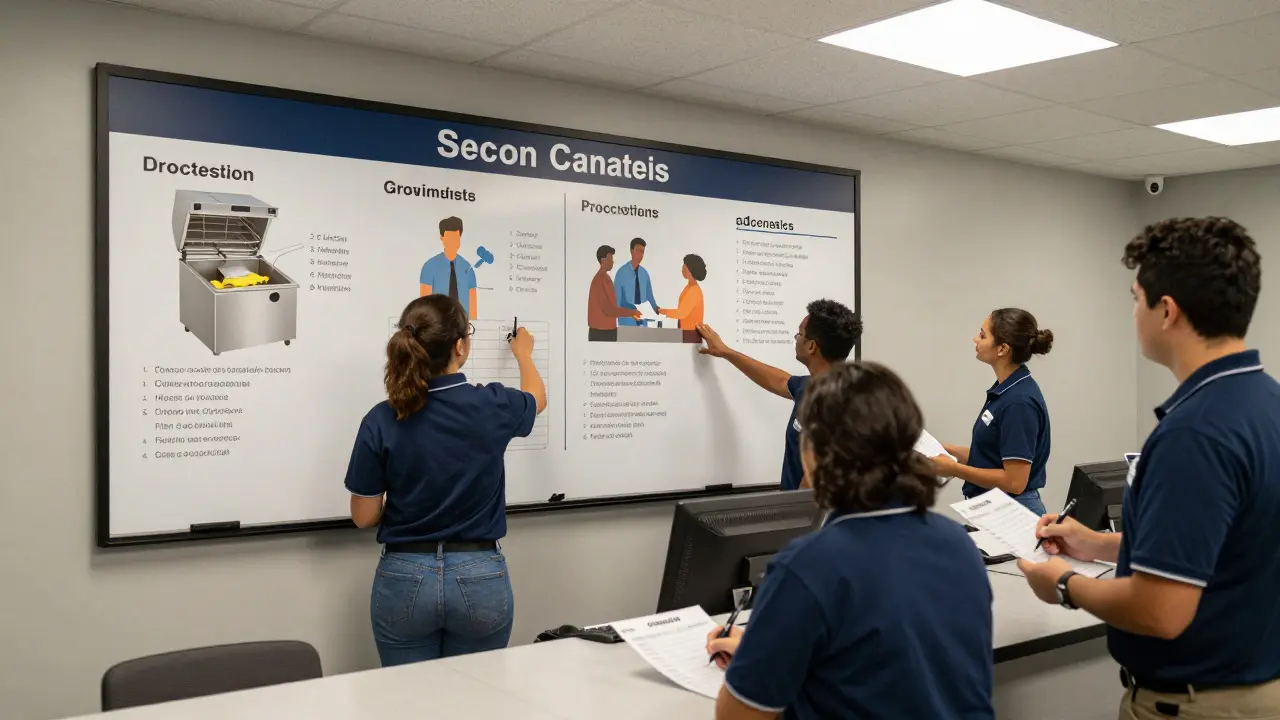
Learn how SOPs, training, and field support make or break a franchise. This guide breaks down the real systems behind successful franchise operations - no fluff, just what works.

Designing a strategic planning and business analysis course means teaching decision-making with real data, not just theories. Focus on real cases, cognitive biases, and actionable outcomes to build leaders who think critically under pressure.

Sexual harassment prevention training isn't just a legal requirement - it's essential for building a safe, respectful workplace. Learn what New Zealand employers must do, how to make training effective, and what happens when you skip it.

Learn how to market your certification program to employers by proving real outcomes, not just credentials. Use data, testimonials, and employer-focused messaging to turn certifications into hiring assets.

Beyond GDPR, privacy laws like CCPA, LGPD, and state-level U.S. regulations now shape how businesses handle data. Learn what they require, how they differ, and why ignoring them risks fines and reputation.