


A template library of outlines, scripts, and worksheets helps course creators save time, improve student completion rates, and build scalable online courses without burnout.

Curated student resource hubs combine time management, research, and study tools into one system. Learn which free tools actually work, how to set them up, and how to avoid common mistakes that waste time and stress students out.

Learn how to build a simple, effective affiliate program for your online course that drives sales without ads. Discover who to recruit, how to structure commissions, and the tools that actually work - no fluff, just proven steps.

Supplier and partner training programs help enterprises reduce errors, speed up operations, and build stronger business relationships. Learn how to design effective, low-cost training that actually sticks.
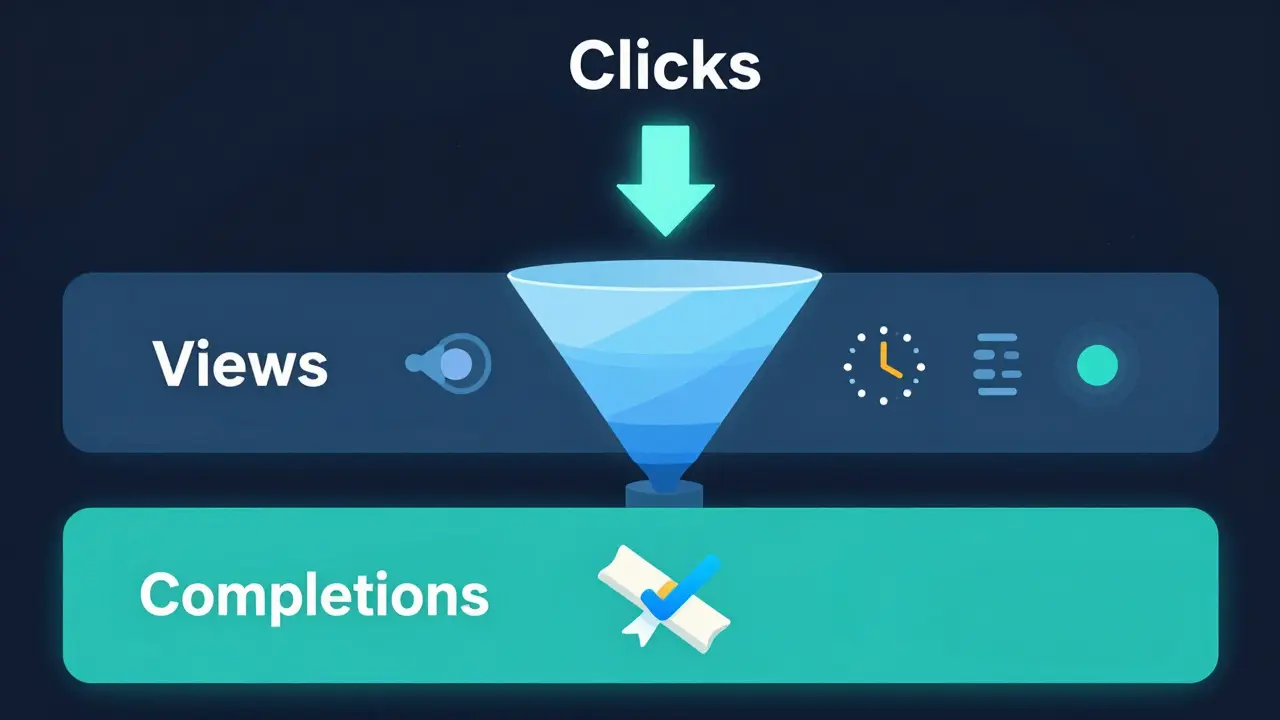
Event tracking in LMS reveals how learners interact with courses through clicks, views, and completions. Learn how to use these simple metrics to improve engagement, reduce drop-offs, and boost completion rates without complex tools.

Recording student data in courses requires clear consent and legal compliance. Learn what counts as personal data, when consent is mandatory, and how to avoid violations under FERPA, GDPR, and New Zealand’s Privacy Act.

Learn how to increase the Lifetime Value (LTV) of online learning customers by improving retention, turning one-time buyers into subscribers, and creating meaningful engagement that keeps learners coming back.

Assessment alignment in blended and hybrid learning ensures tests match what students actually learn. Without it, grades don't reflect real understanding. Here's how to fix misaligned assessments in modern classrooms.

Learn how to use course coupons effectively without losing profits. Discover how scarcity, expiry dates, and abuse prevention can turn discounts into powerful growth tools for online courses.

Online course dropout rates are high-but consistent, human feedback can change that. Learn how personalized replies, peer reviews, and milestone rewards keep students engaged and motivated to finish.
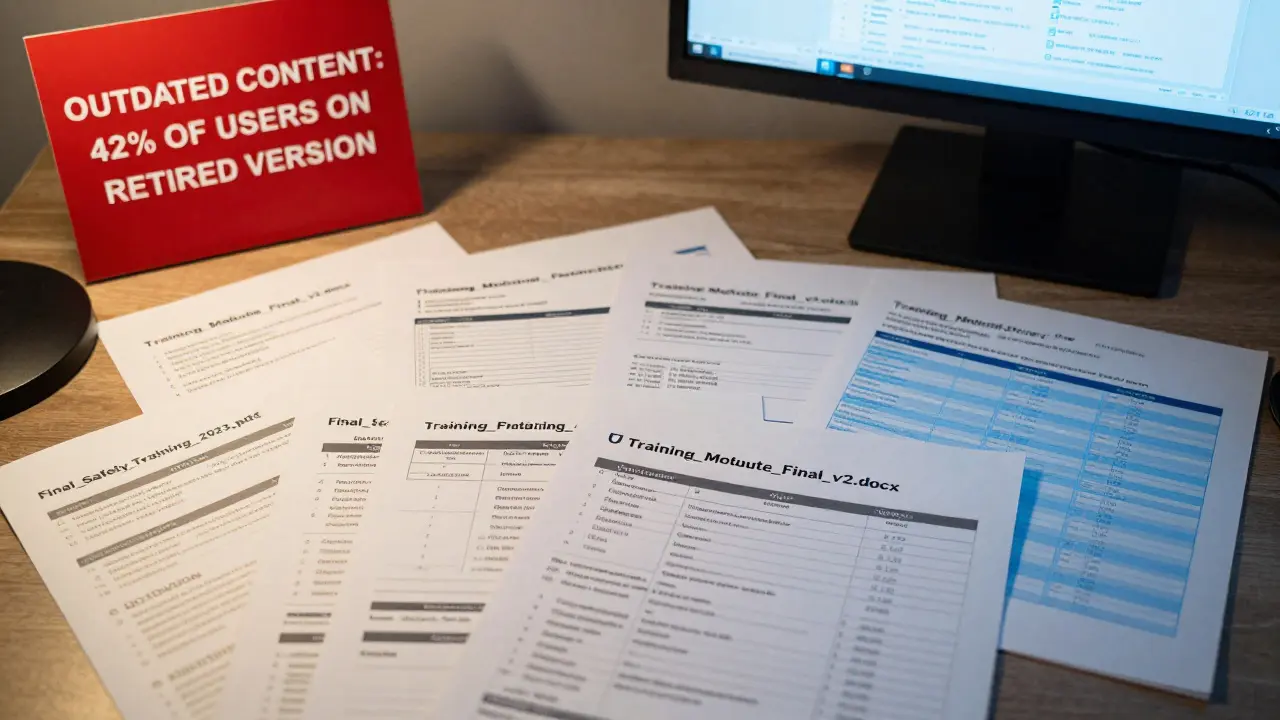
Content governance for L&D ensures training materials are up-to-date, properly versioned, and legally compliant. Without it, companies risk fines, liability, and employee distrust. Learn how versioning and clear ownership prevent compliance failures.

Building effective certification question banks requires more than just collecting questions. Learn how to design item pools that accurately measure competence, ensure exam fairness, and maintain long-term credibility.