


Explore essential templates and strategies for managing student data deletion and retention. Learn how to navigate FERPA, define data categories, and implement secure deletion protocols.

Learn how to maximize course revenue using order bumps and one-click upsells. This guide covers tactics, pricing psychology, and technical setup for 2026.
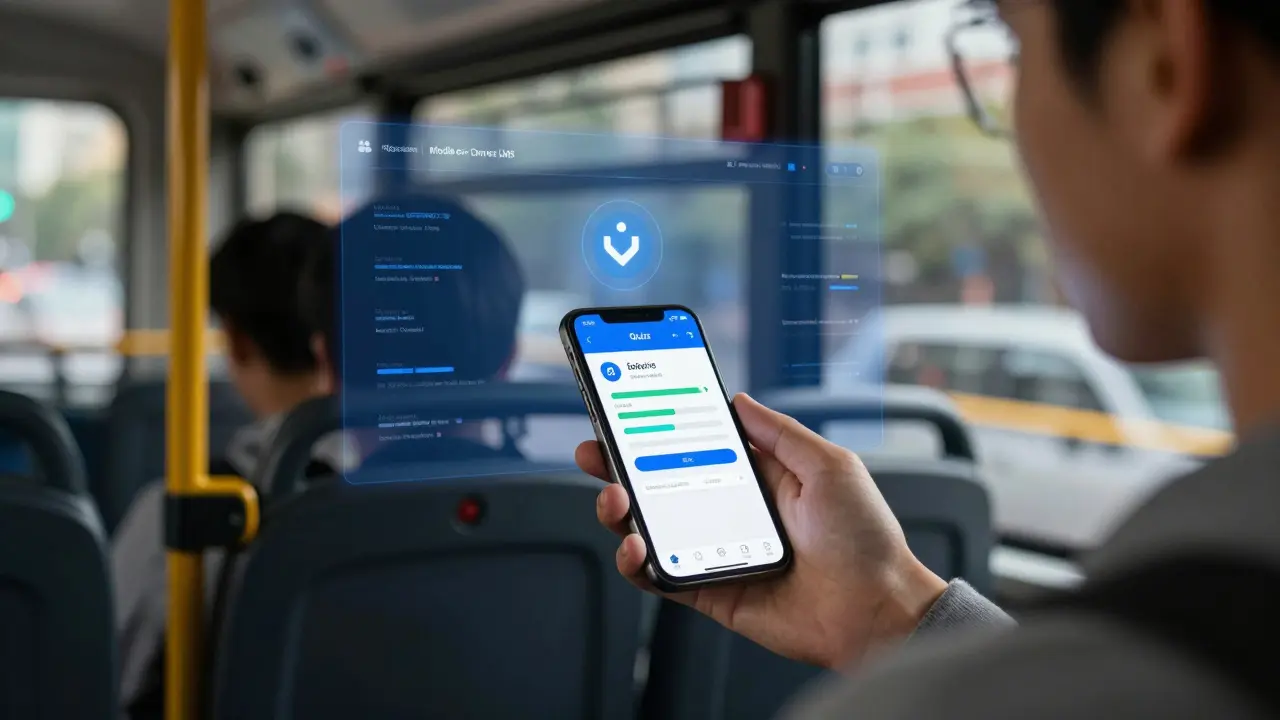
Learn how to connect a mobile app to learning platforms like Canvas or Moodle with step-by-step guidance, real examples, and common pitfalls to avoid. Boost student engagement by making learning accessible on phones.

A template library of outlines, scripts, and worksheets helps course creators save time, improve student completion rates, and build scalable online courses without burnout.

Learn how grids, visual hierarchy, and long-form layouts make complex content easy to read. This guide breaks down the real techniques behind professional editorial design - no fancy tools needed.

Discover the most effective time management and productivity courses for professionals in 2026. Learn which science-backed programs actually reduce work hours, boost focus, and improve output-without burnout.
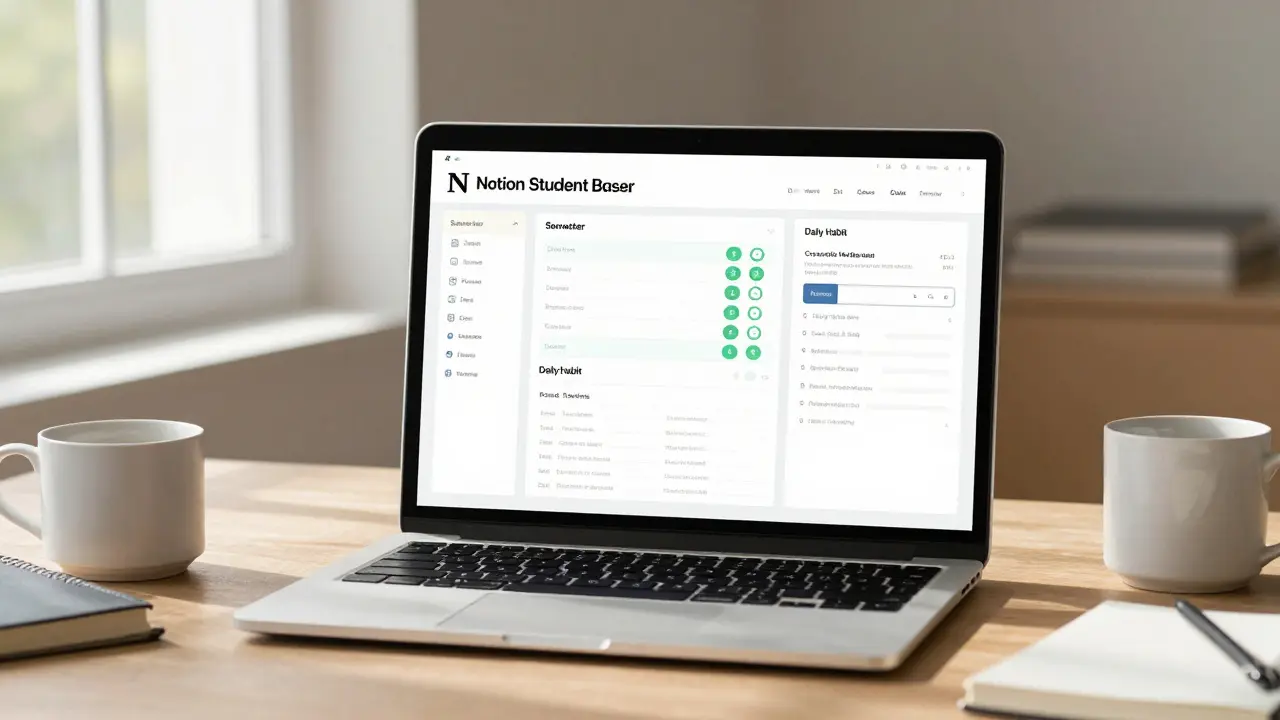
Curated student resource hubs combine time management, research, and study tools into one system. Learn which free tools actually work, how to set them up, and how to avoid common mistakes that waste time and stress students out.

Learn how to build a simple, effective affiliate program for your online course that drives sales without ads. Discover who to recruit, how to structure commissions, and the tools that actually work - no fluff, just proven steps.

Supplier and partner training programs help enterprises reduce errors, speed up operations, and build stronger business relationships. Learn how to design effective, low-cost training that actually sticks.
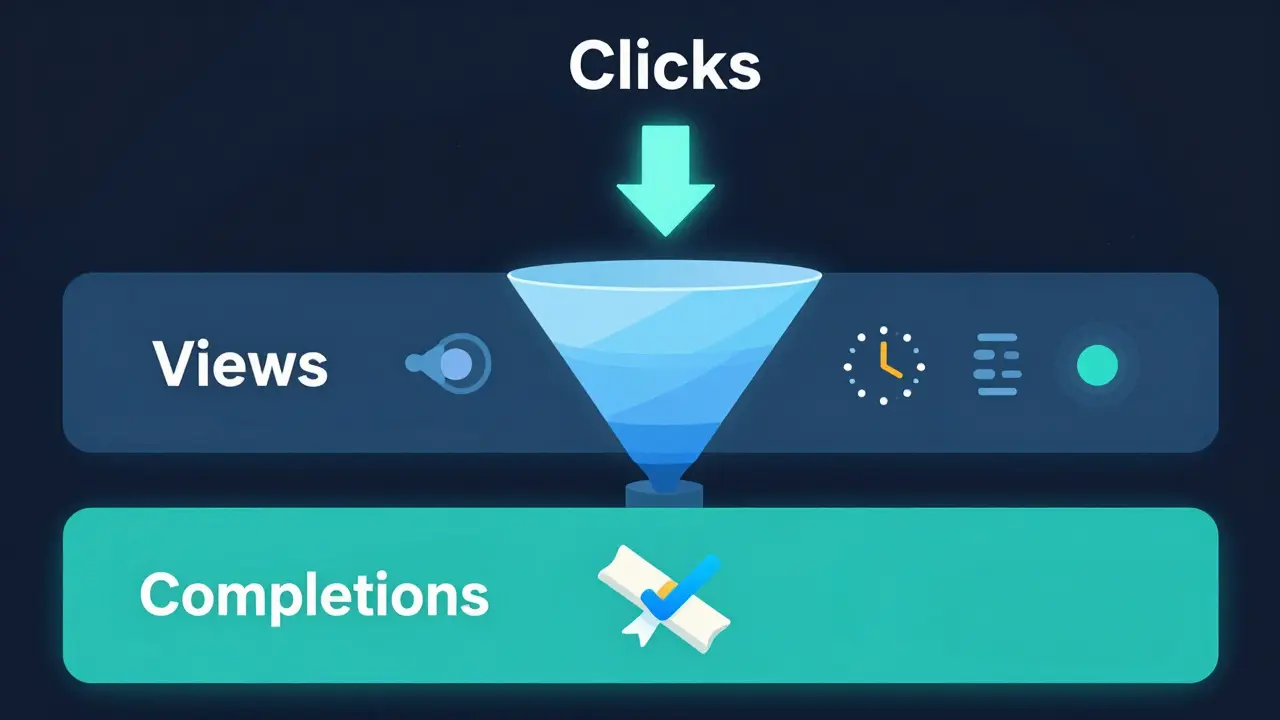
Event tracking in LMS reveals how learners interact with courses through clicks, views, and completions. Learn how to use these simple metrics to improve engagement, reduce drop-offs, and boost completion rates without complex tools.

Recording student data in courses requires clear consent and legal compliance. Learn what counts as personal data, when consent is mandatory, and how to avoid violations under FERPA, GDPR, and New Zealand’s Privacy Act.

Learn how to increase the Lifetime Value (LTV) of online learning customers by improving retention, turning one-time buyers into subscribers, and creating meaningful engagement that keeps learners coming back.